


1936




Sponser: Multiple Funders


The Resource Centre for Interventions on Violence Against Women (RCI-VAW) was established in 2008 under the Centre for Equity for Women, Children, and Families at the School of Social Work, Tata Institute of Social Sciences (TISS), Mumbai. The Centre emerged from TISS’s long-standing engagement with survivors of violence through the Special Cell for Women and Children. This field experience underscored the need for a dedicated institutional mechanism to address Violence Against Women (VAW) in a sustained, strategic, and system-focused manner. RCI-VAW works to strengthen interventions through training, research, innovation, and multi-stakeholder collaboration, all aimed at deepening the understanding of VAW and enabling survivor-centric responses across institutional frameworks.
Objectives
Implement & Innovate Violence Against Women (VAW) Interventions:
- Implements 14 Special Cells for Women and Children in Maharashtra, leveraging on-ground experience to drive innovation.
- Designs new and context-specific intervention strategies for addressing VAW in collaboration with key stakeholders.
Support Expansion of Special Cells for Women:
- Pilots, institutionalizes, and expands the Special Cells for Women model at the national level.
- Strengthens existing Cells through capacity building, training, monitoring, handholding, and advocacy initiatives.
Research:
- Conducts evaluations to enhance and expand the Special Cells while documenting best practices.
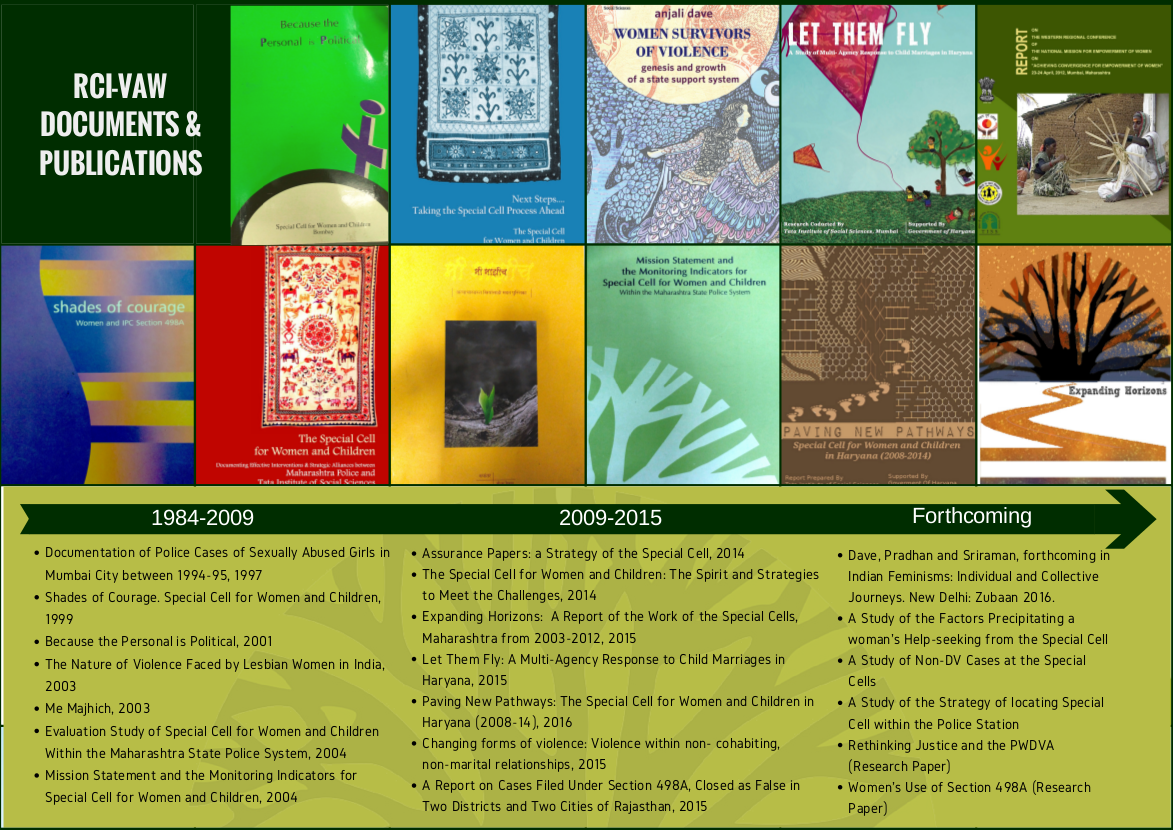
- Undertakes action-oriented research for government agencies and develops analytical papers and policy briefs to inform reforms.
Advocacy:
- Reviews state actions and policies to provide strategic recommendations for reforms.
- Advocates with governments to strengthen and mainstream Special Cells by increasing budgets, appointing more coordinators and cell workers, and establishing robust state monitoring bodies.
Training of Stakeholders:
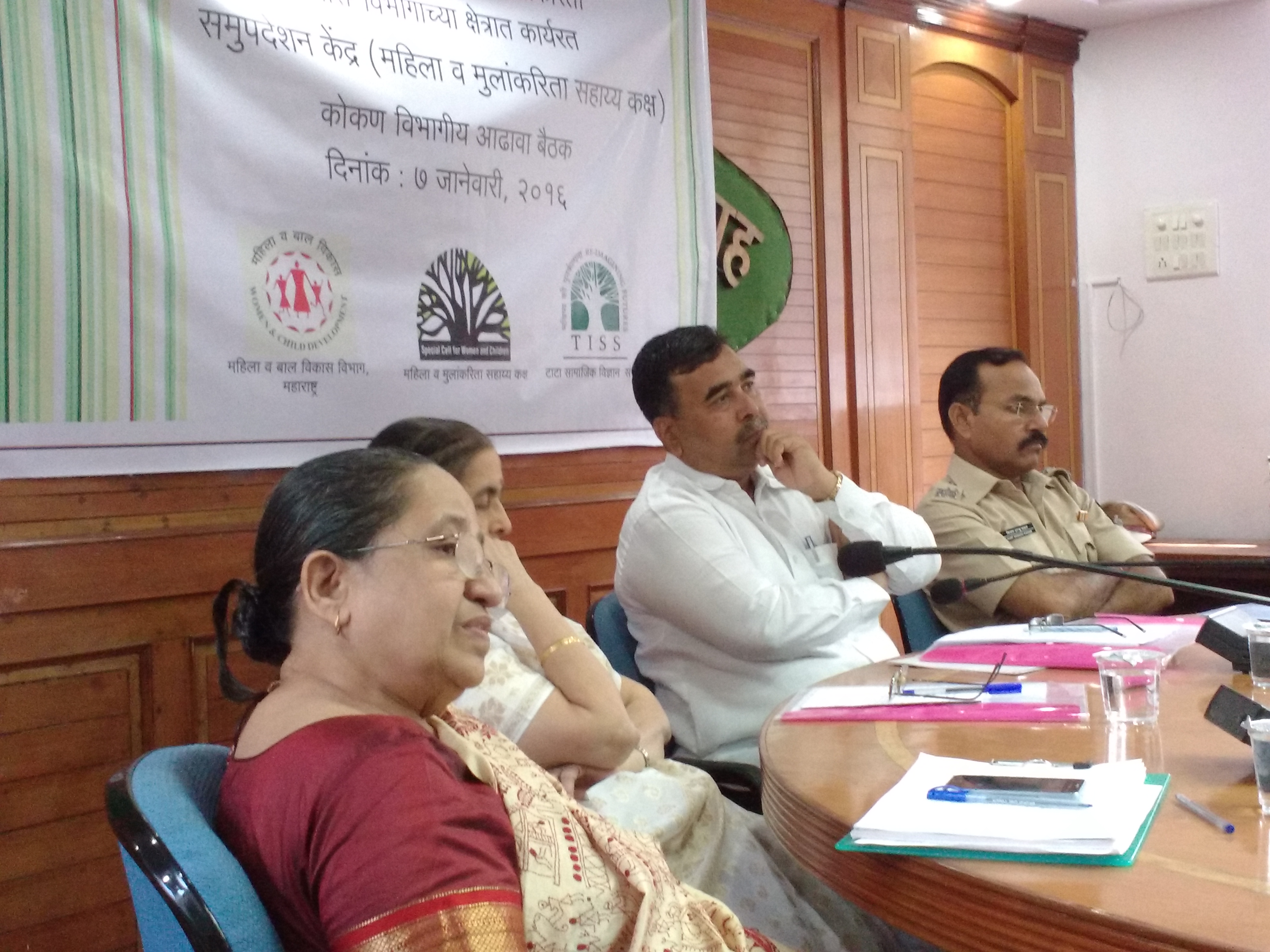
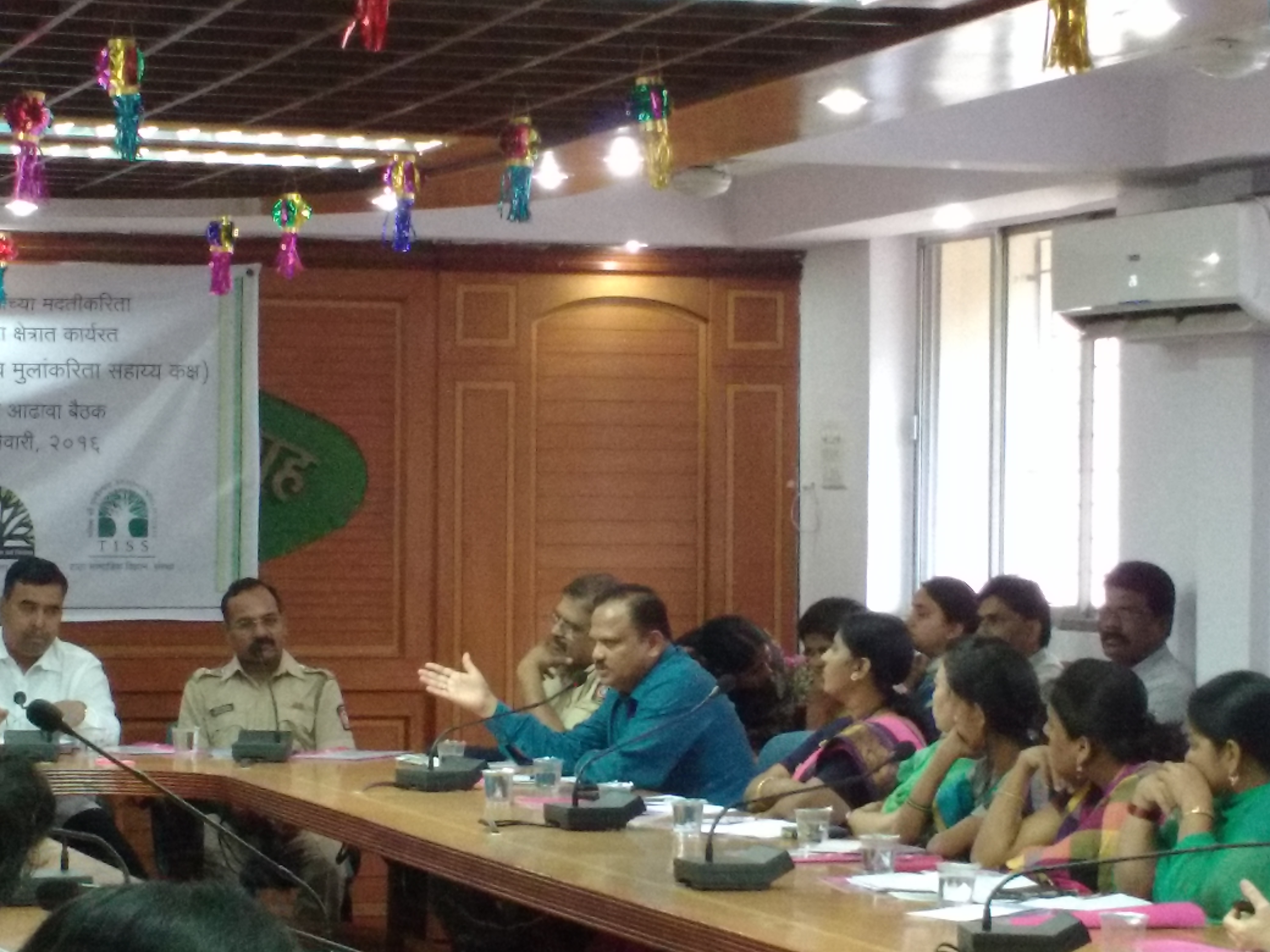
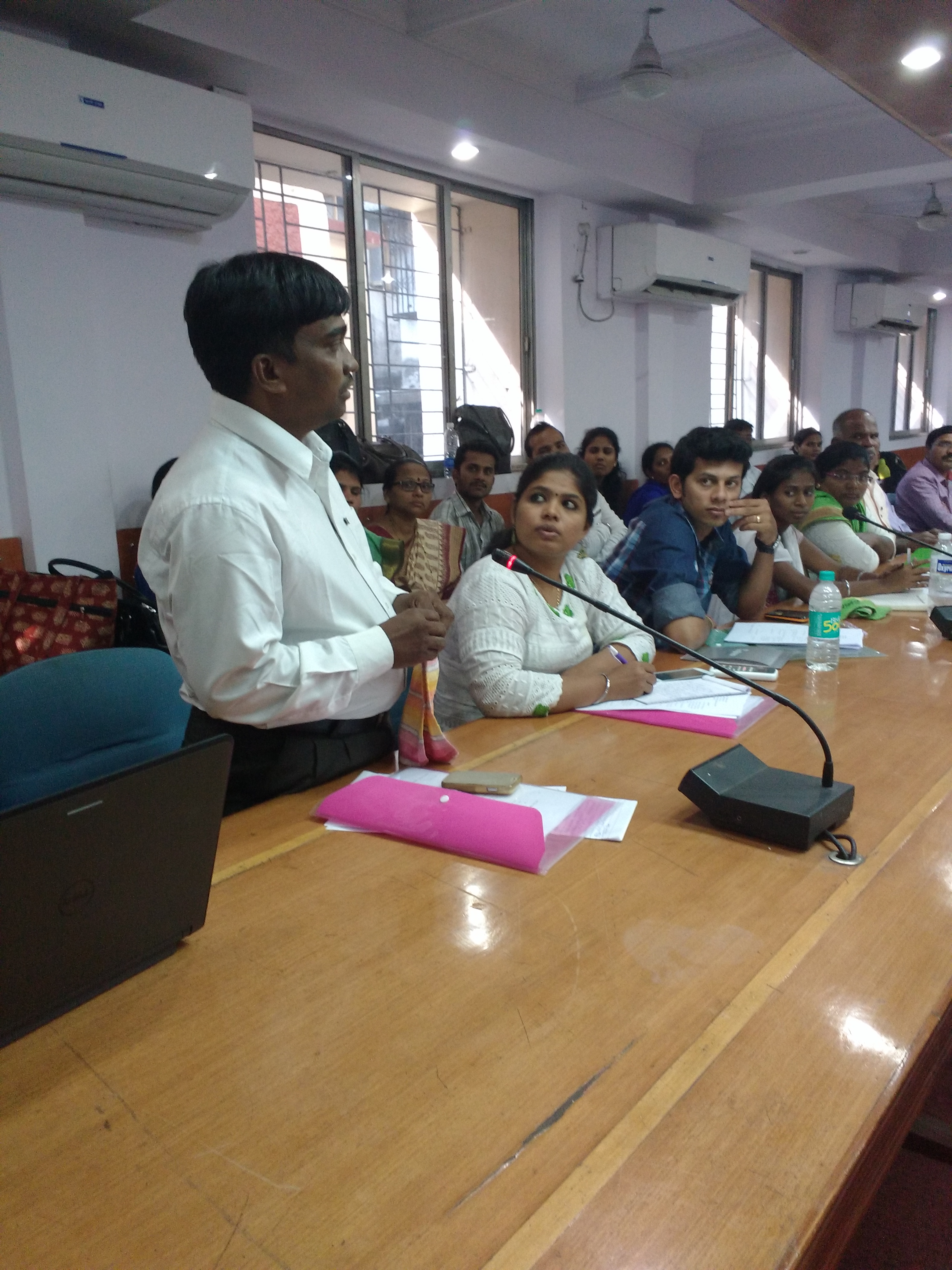
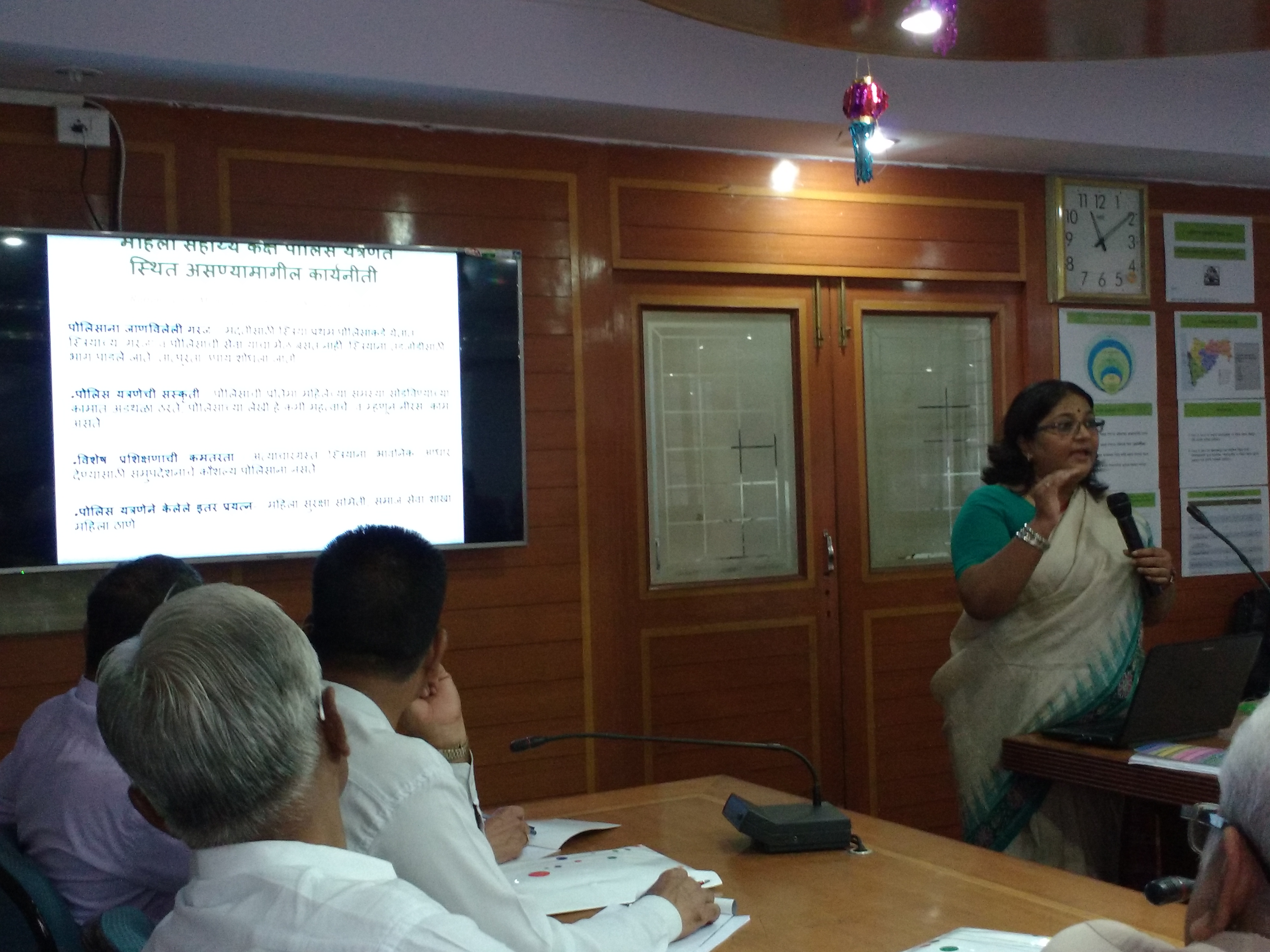
- Trains police personnel, NGOs, community groups, and academic institutions.
- Focuses on skill-building, developing a pro-woman perspective, and providing essential information, including legal knowledge.
Core Programme: Special Cells for Women and Children
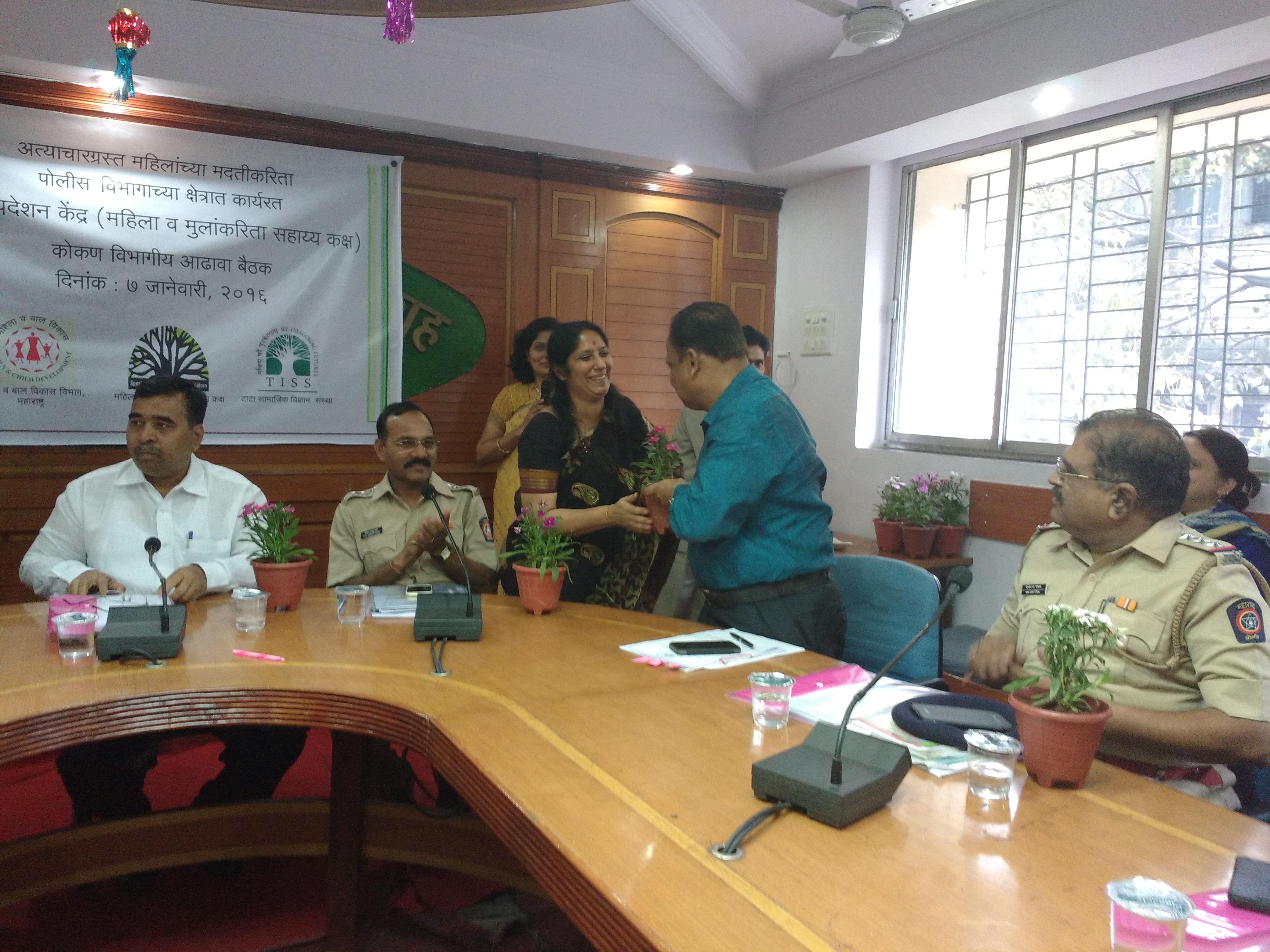
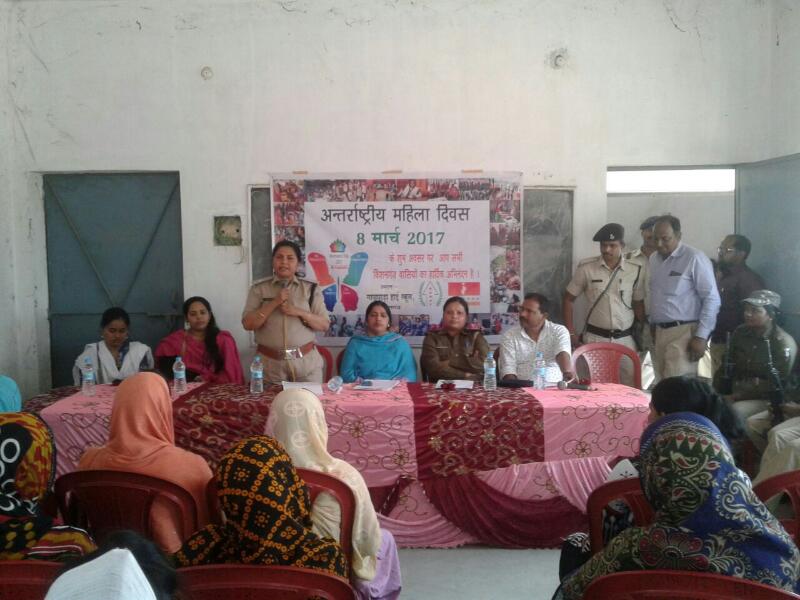
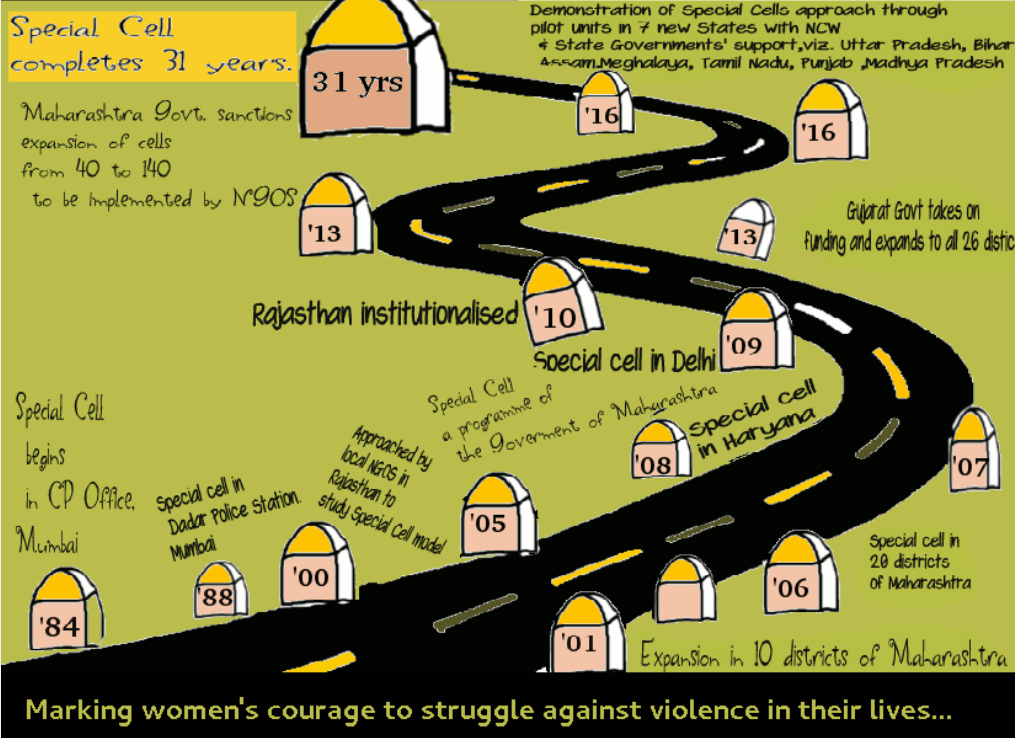
The Special Cells for Women and Children was initiated in 1984 in collaboration with the Mumbai Police, placing trained social workers within police stations to provide dedicated support to women experiencing violence. The model was institutionalized and scaled across Maharashtra starting in 2011 under the Departments of Home and Women & Child Development. Currently, 144 Special Cells have been sanctioned across the state, with 133 fully operational at the taluka level. These Cells offer essential psychosocial, legal, and referral support to women survivors of violence, while simultaneously strengthening the state’s institutional response mechanisms. Over time, several other states, including Gujarat, Rajasthan, Haryana, and the Union Territory of Delhi, have adopted and integrated this model into their regular administrative measures.
National and State-Level Collaborations
- United Nations Development Programme (UNDP) – Strengthening Access to Justice in India (SAJI) Phase I (2007–08): Piloted the Special Cells for Women model in one district of Madhya Pradesh and two districts of Haryana. Later institutionalized across Haryana by appointing Protection-cum-Prohibition Officers (PPOs) under the Protection of Women from Domestic Violence Act (PWDVA), 2005 and the Prohibition of Child Marriage Act (PCMA), 2006.
- National Commission for Women (NCW), Govt. of India Collaboration in Delhi (2009–2021): Initiated with Delhi Police at two locations, expanded to eleven by 2016 under the “Violence Free Home – A Woman’s Right”
- Replication in Seven States (2016–2021): Expanded the model to Bihar (5), Punjab (3), Assam (1), Meghalaya (1), Odisha (2), Madhya Pradesh (5), and Tamil Nadu (4) through 21 locations.
- Union Territories of Jammu & Kashmir and Ladakh (2021–2025): Established 22 Special Cells for Women across the two Union Territories.
- Delhi Police Social Service Units (SSUs) (2017–2021): Provided technical support to Social Service Units in 20 police stations under the Nirbhaya Fund, in collaboration with the Department of Social Work, Jamia Millia Islamia (JMI), and the Department of Social Work, Delhi University.
- United States Agency for International Development (USAID) – Momentum Country and Global Leadership (MCGL) (2022–2024): Expanded to ten additional districts in Assam State while continuing support to the first Special Cell in Guwahati (established in 2016).
- Gujarat Support Centre for Women & Women Helpline 181 for Women in Distress: Provided technical support to the Police-based Support Centre for Women, implemented by DWCD, Government of Gujarat, through the State Gender Resource Centre and supported by Oxfam India (2009–2013). From 2013 onwards, support focused on programme expansion, training, and review. Also assisted in establishing a state-wide helpline with DWCD, GRC, and GVK EMRI, along with operational and capacity-building frameworks.
- Asha Jyoti Kendras (AJKs) – Uttar Pradesh (2016): Established 11 multi-service crisis intervention centres and supported recruitment and induction training of social workers with Mahila Kalyan Nigam.
- Mahila Salah Evam Suraksha Kendra (MSSK)– Rajasthan: Provided technical support to the Department of Women and Child Development (WCD), Rajasthan, and associated women’s groups for induction training of newly recruited social workers/counsellors since 2004, and conducted a review in 2015. Additionally, conducted refresher training for counsellors at Kota and Jaipur Divisions in 2024.
Key Achievements
-
UPCOMING UPDATES
Upcoming Events
No Upcoming Events
News
No Upcoming News
Upcoming Announcements
No Announcements







 2026 All Rights Reserved.