


1936




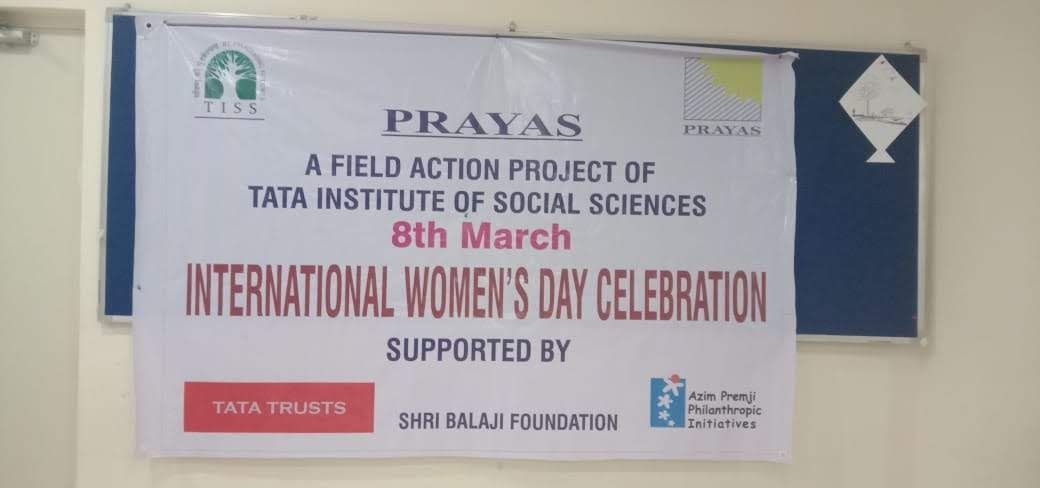
Sponser: The Tata Trusts, The Azim Premji Philanthropic Initiatives, Tata Motors, HT Parekh Foundation, Shri Balaji Foundation, Individuals and Corporates

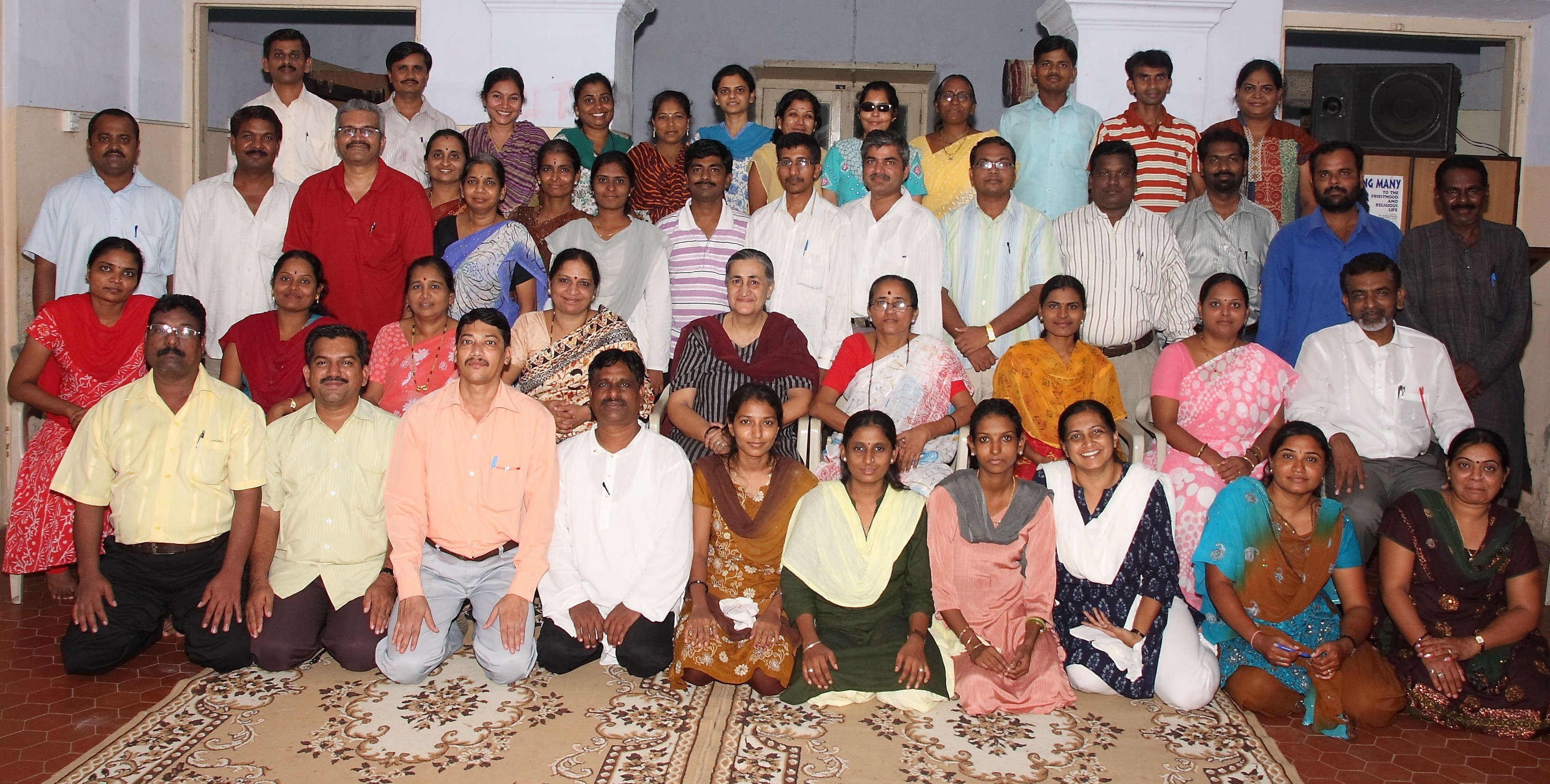
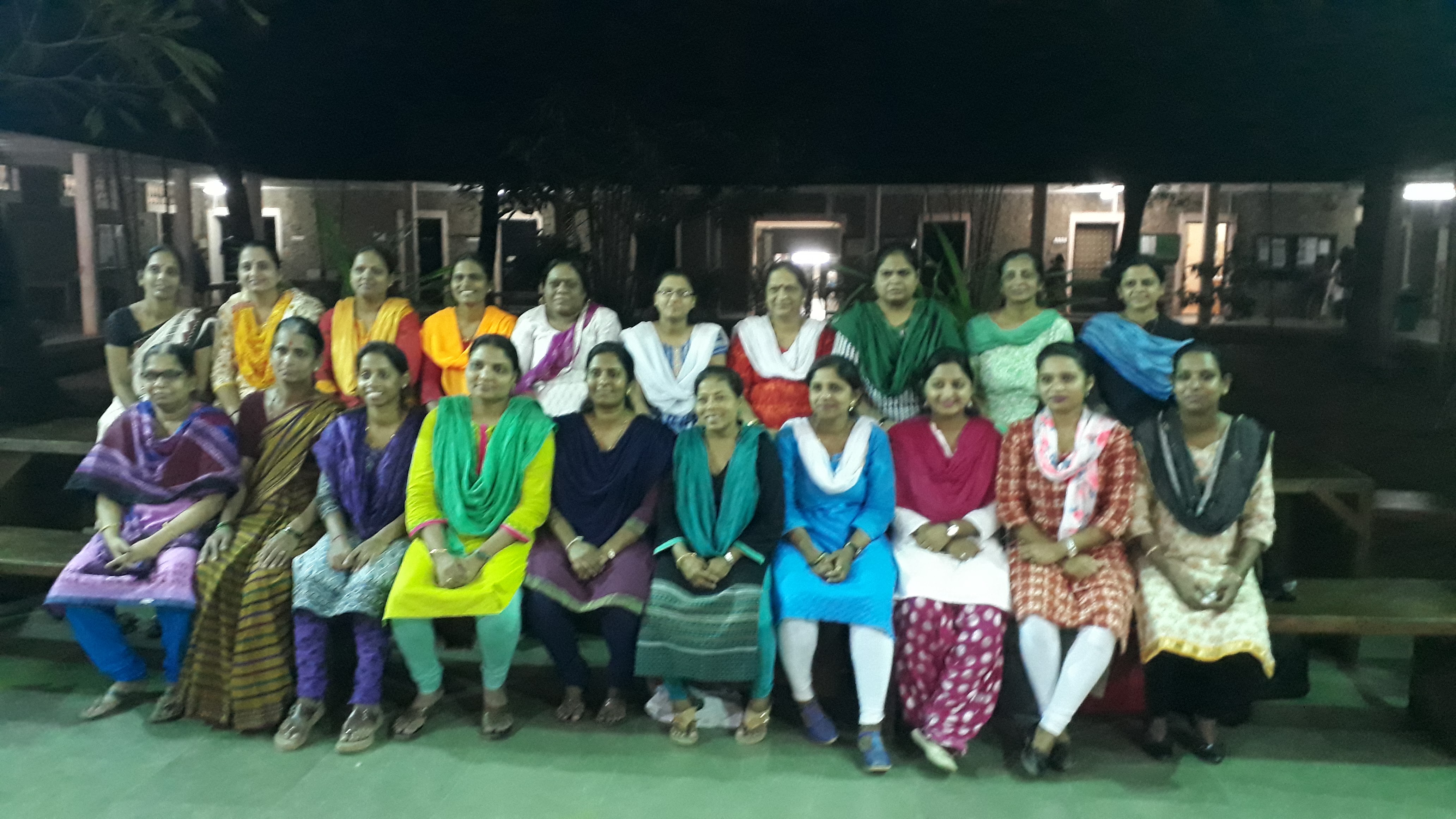
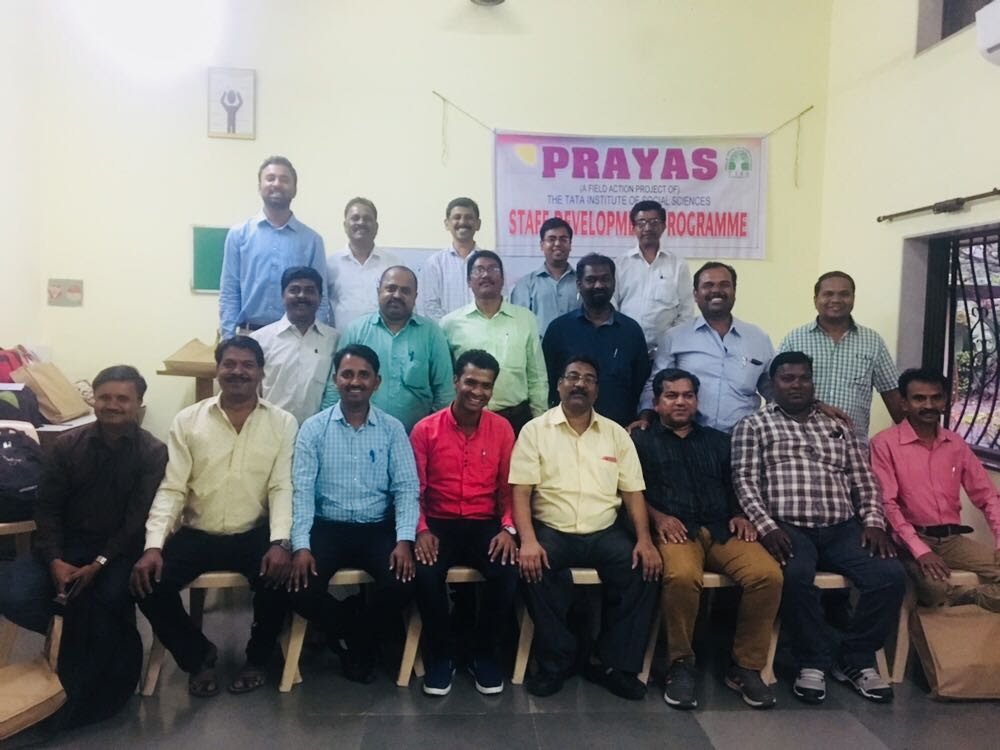
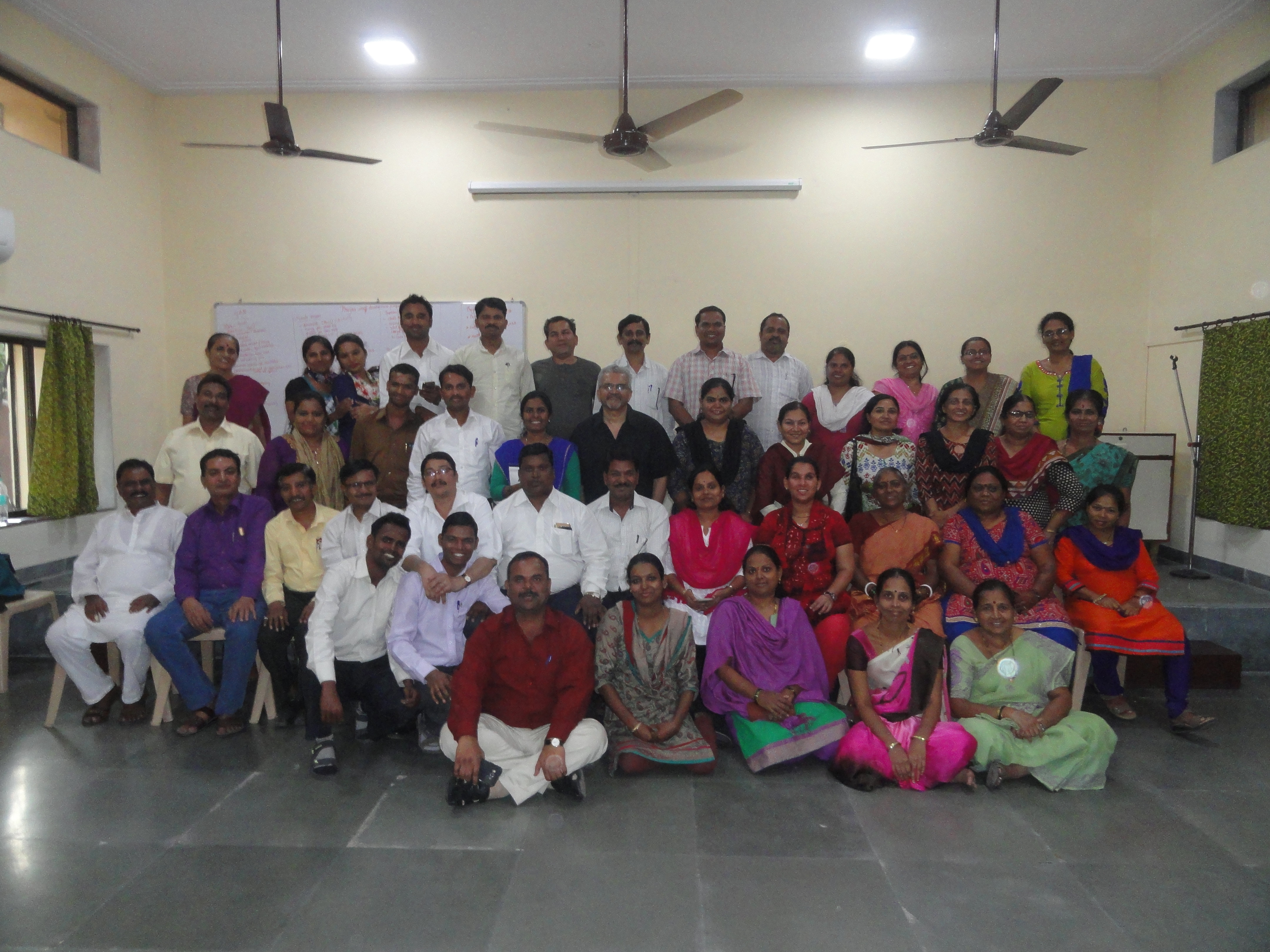
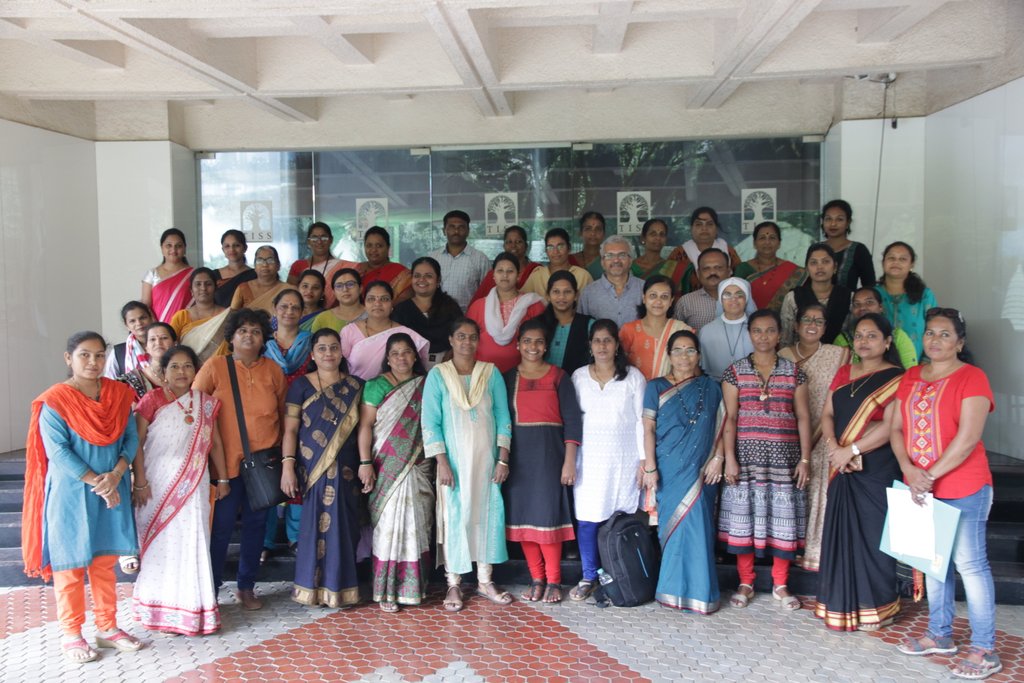
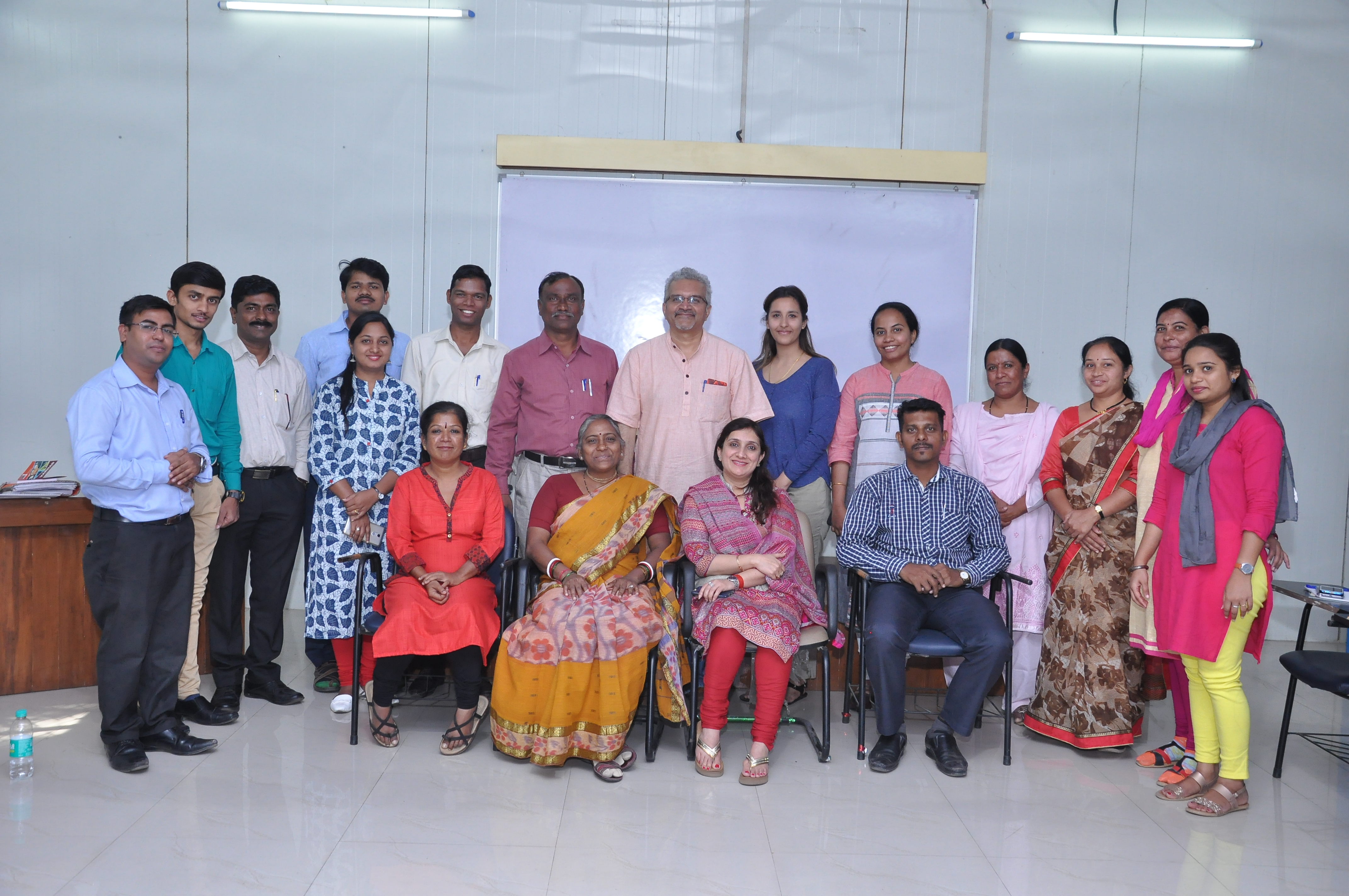
Prayas Team
Prayas – A field action project of Tata Institute of Social Sciences
Social Work in Criminal Justice
About Prayas
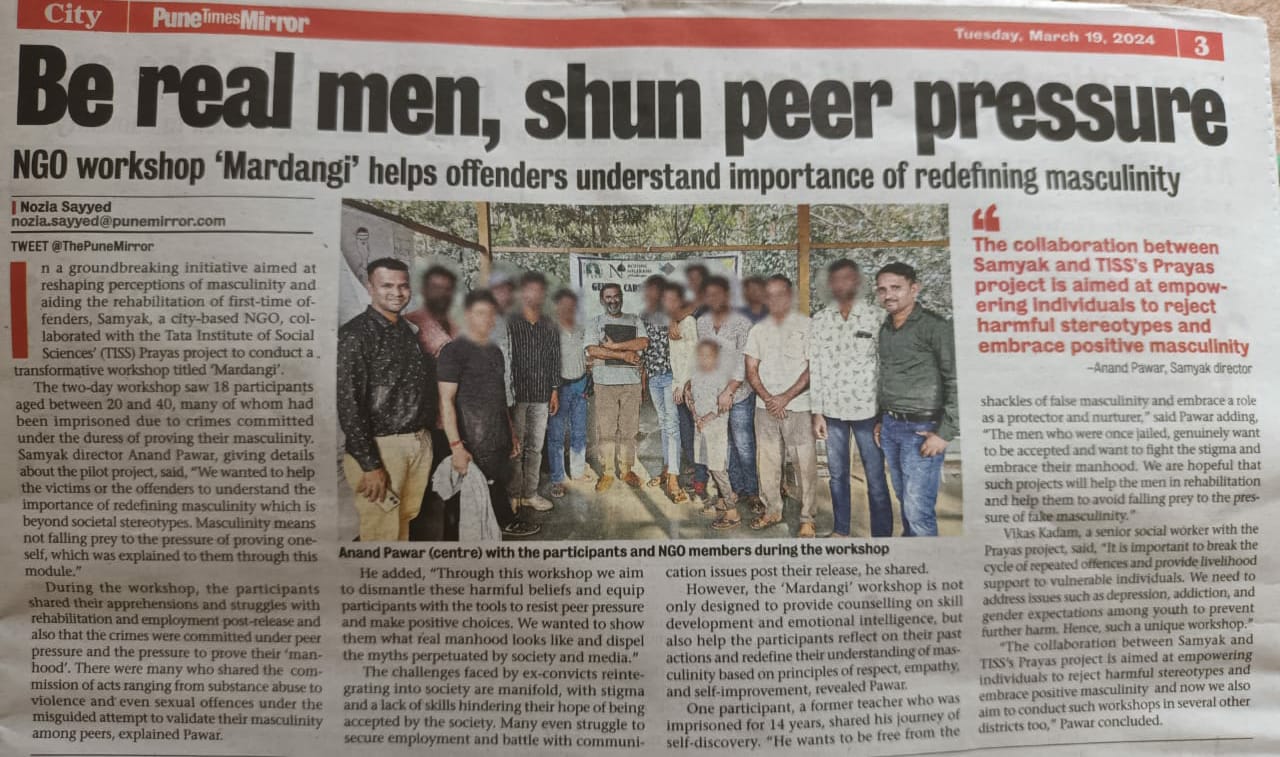
Prayas is a pioneering social work demonstration project of the Centre for Criminology and Justice, Tata Institute of Social Sciences, established as a Field Action Project in 1990. Placement of social work students doing their M.A. in Social Work from the Department of Criminology and Correctional Administration (now the Centre for Criminology and Justice) at TISS in prisons, police stations, and courts from 1985 onwards by Dr Sanober Sahni, a faculty in the Department and now Project Advisor, Prayas, led to conceiving the idea of starting a full-time project focusing on social work intervention in the Criminal Justice System. Her partner in this venture was Prof. Vijay Raghavan, who had graduated from TISS in 1989, and the work of Prayas was initiated in Mumbai Central Prison in 1990. With the evolution of newer programmes, the leadership in Prayas has been consciously developed to foster participative decision-making processes, group accountability mechanisms and has led to a second rung of leadership holding key positions, including the Joint Project Director, Dr. Sharon Menezes.
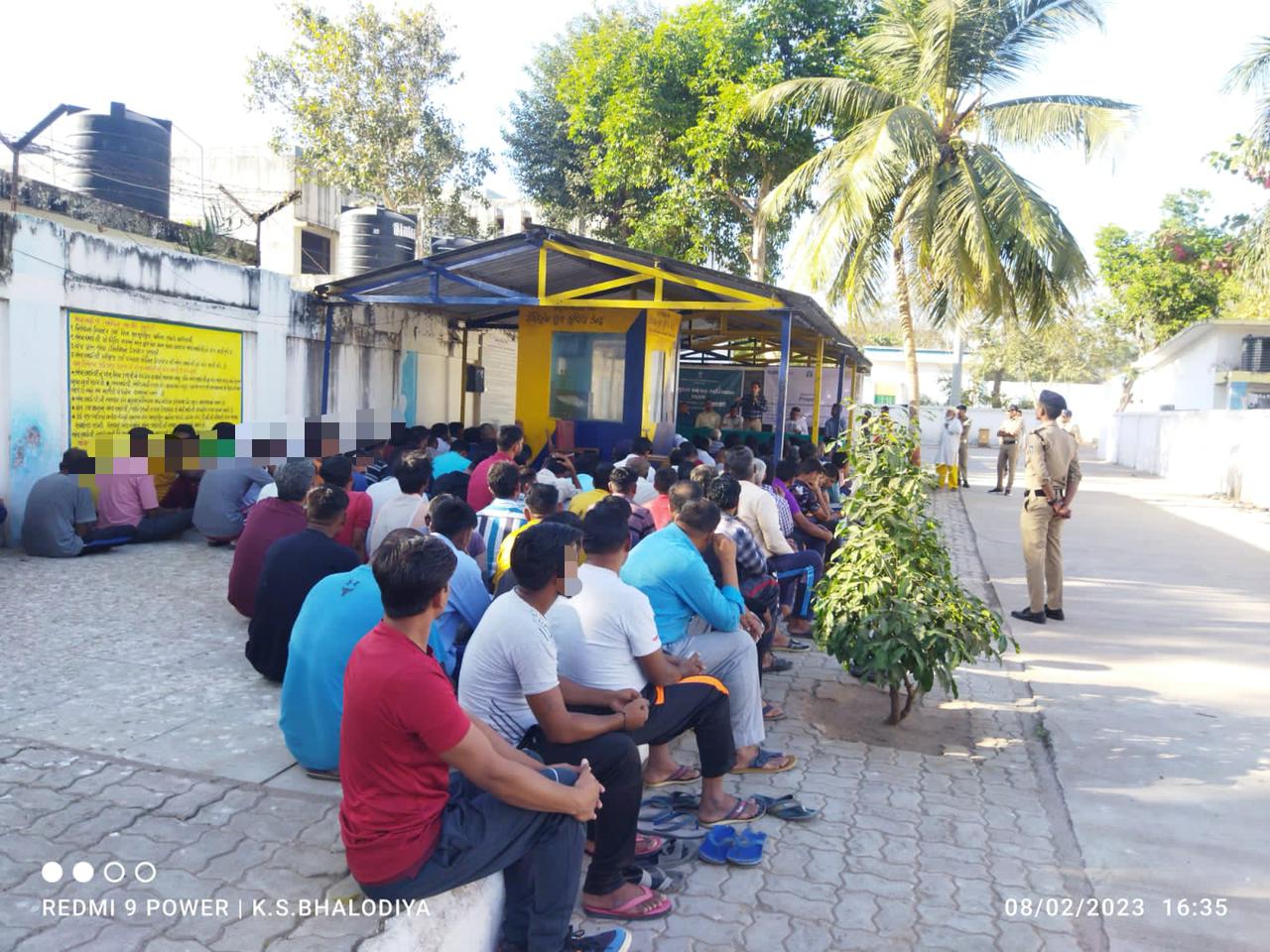
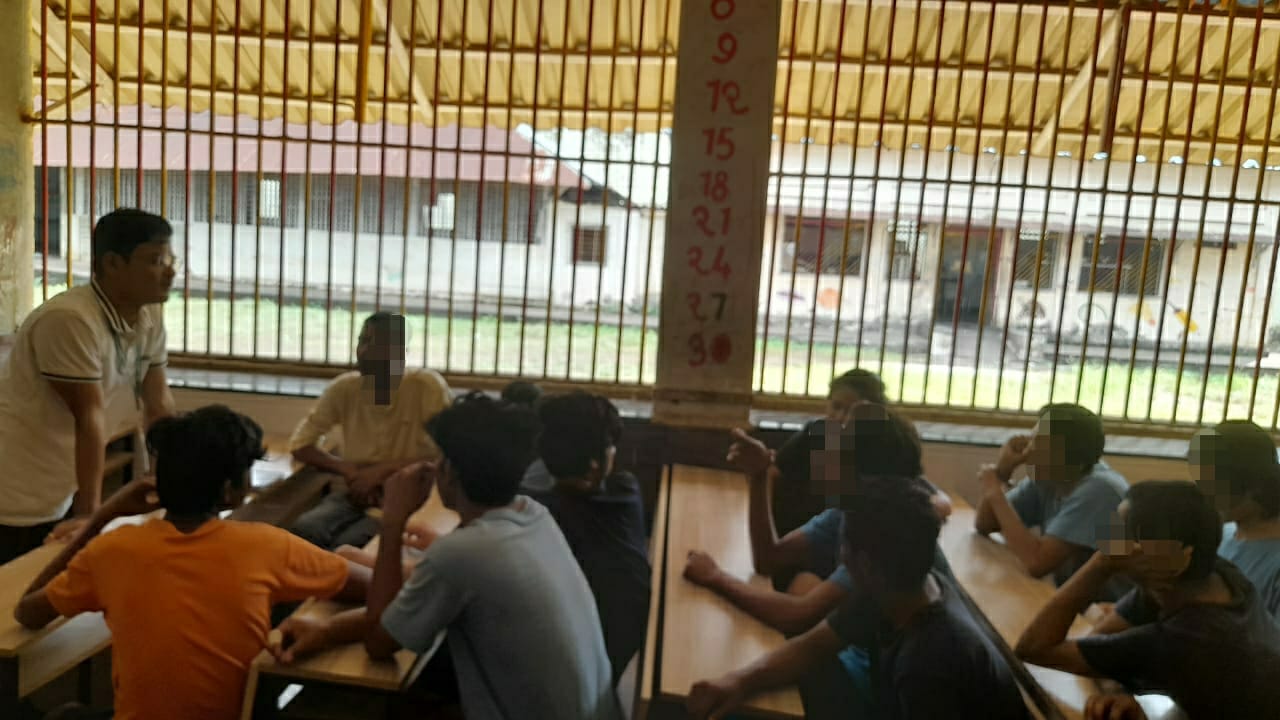
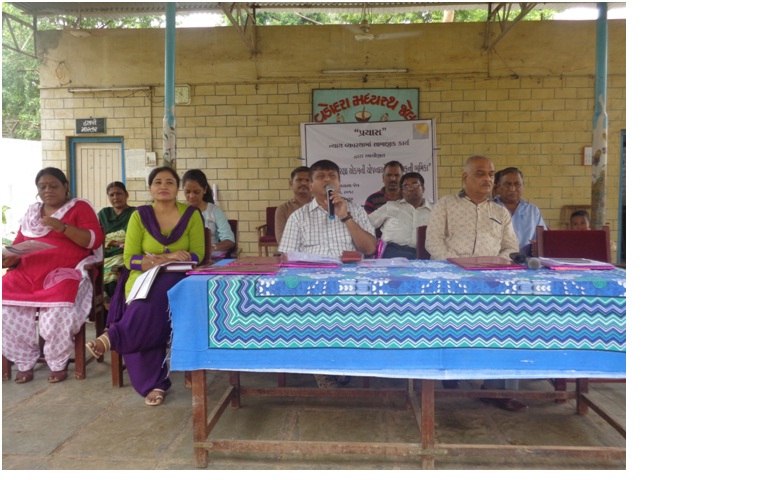
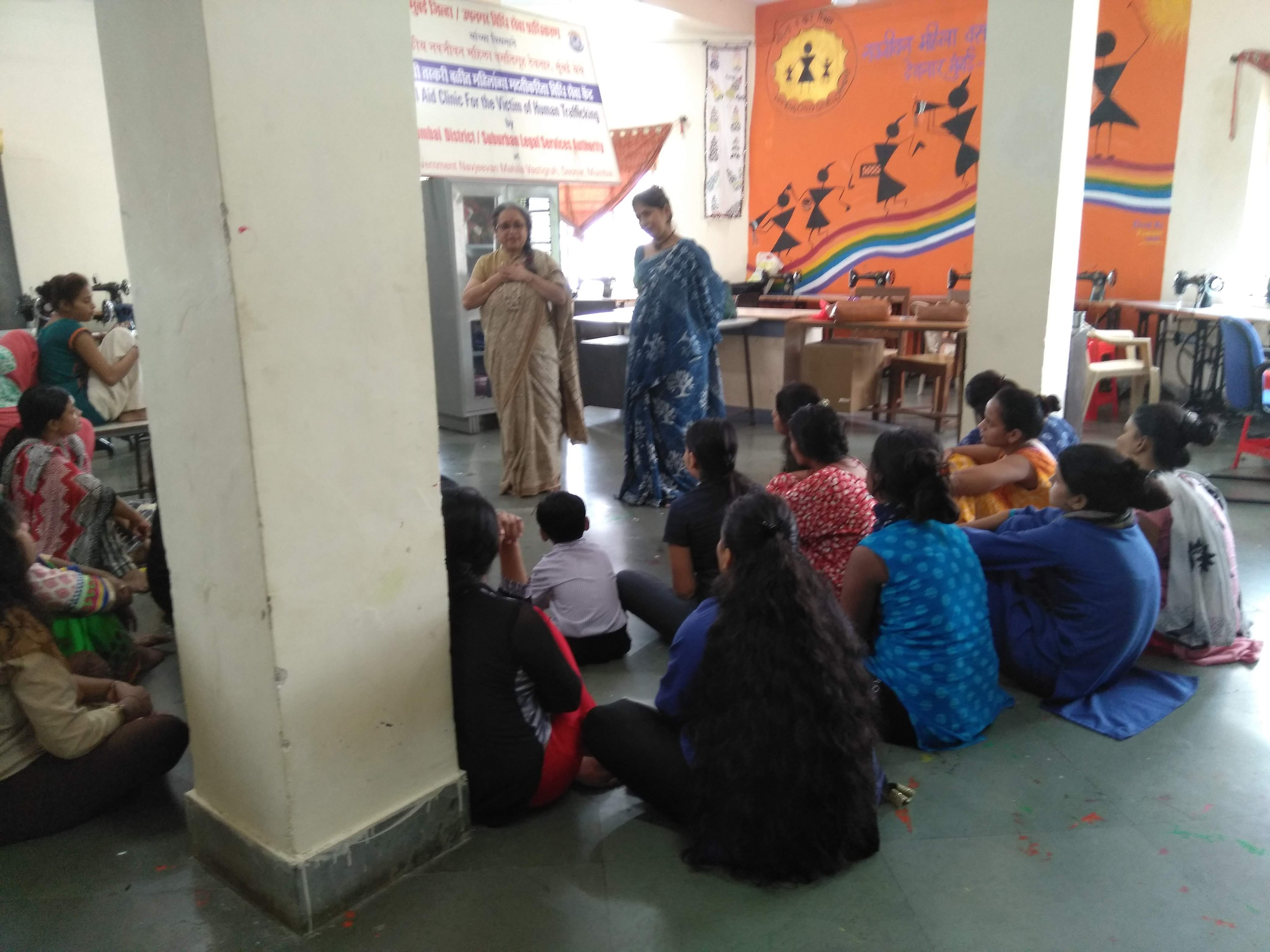
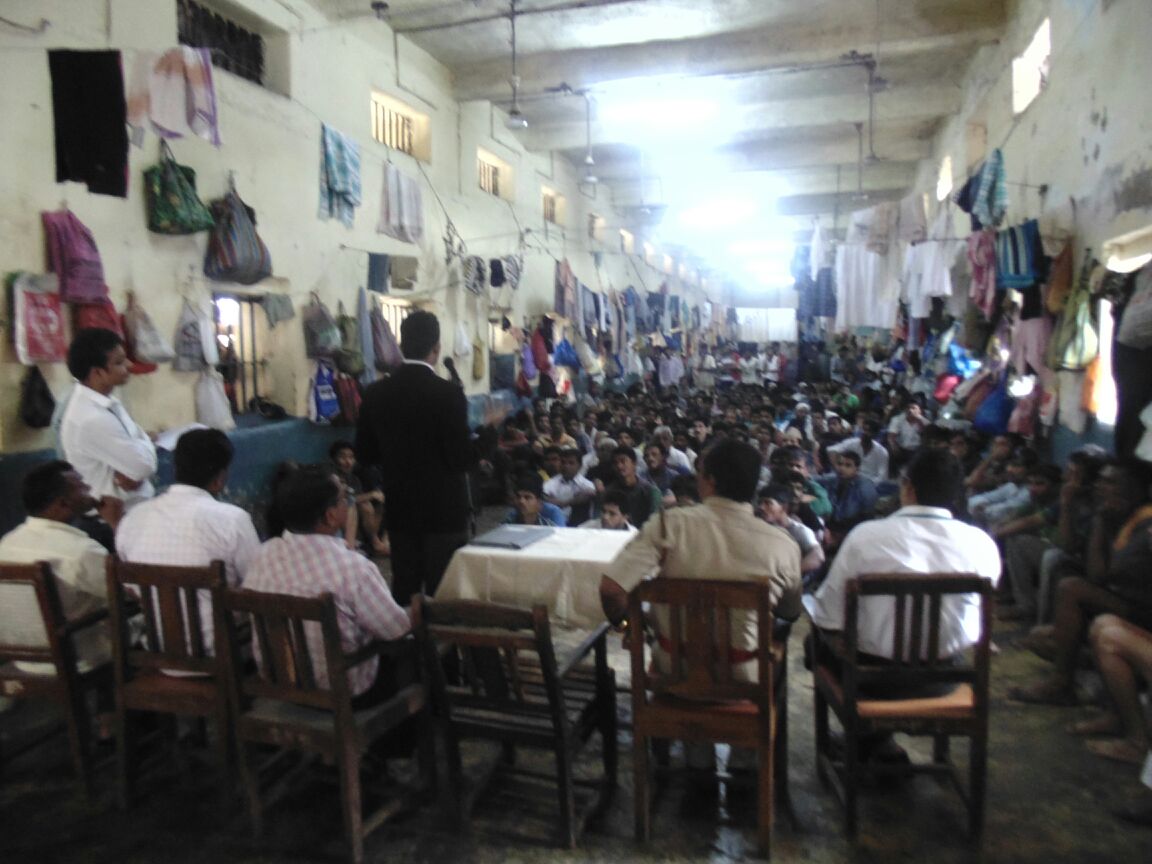
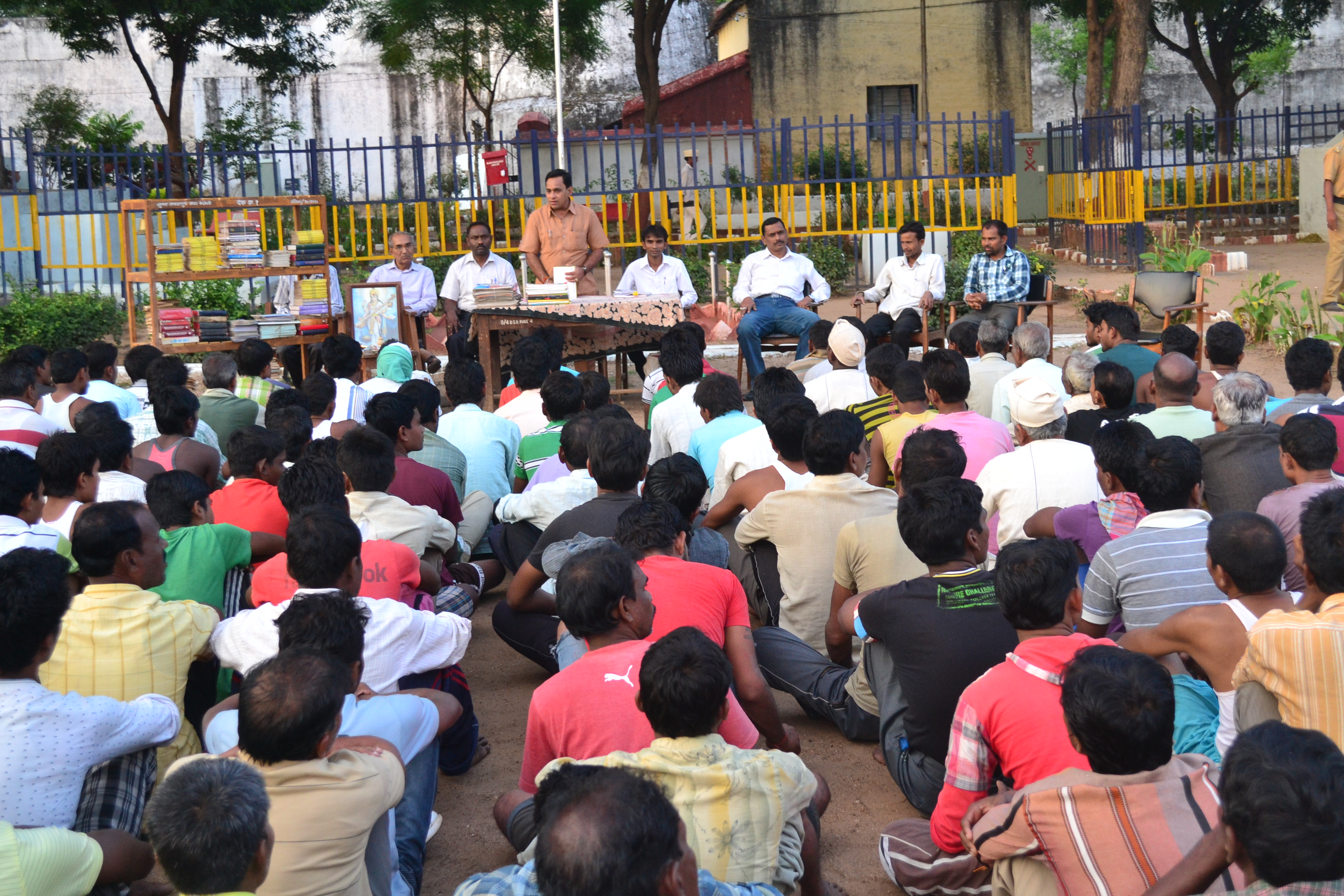
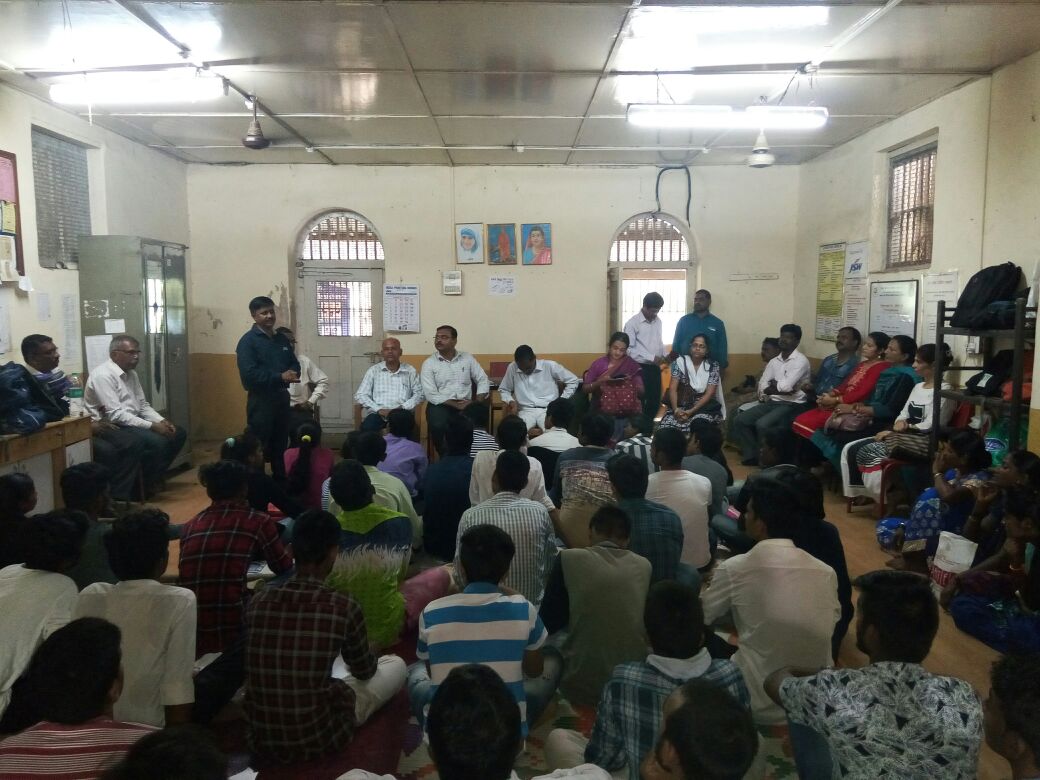
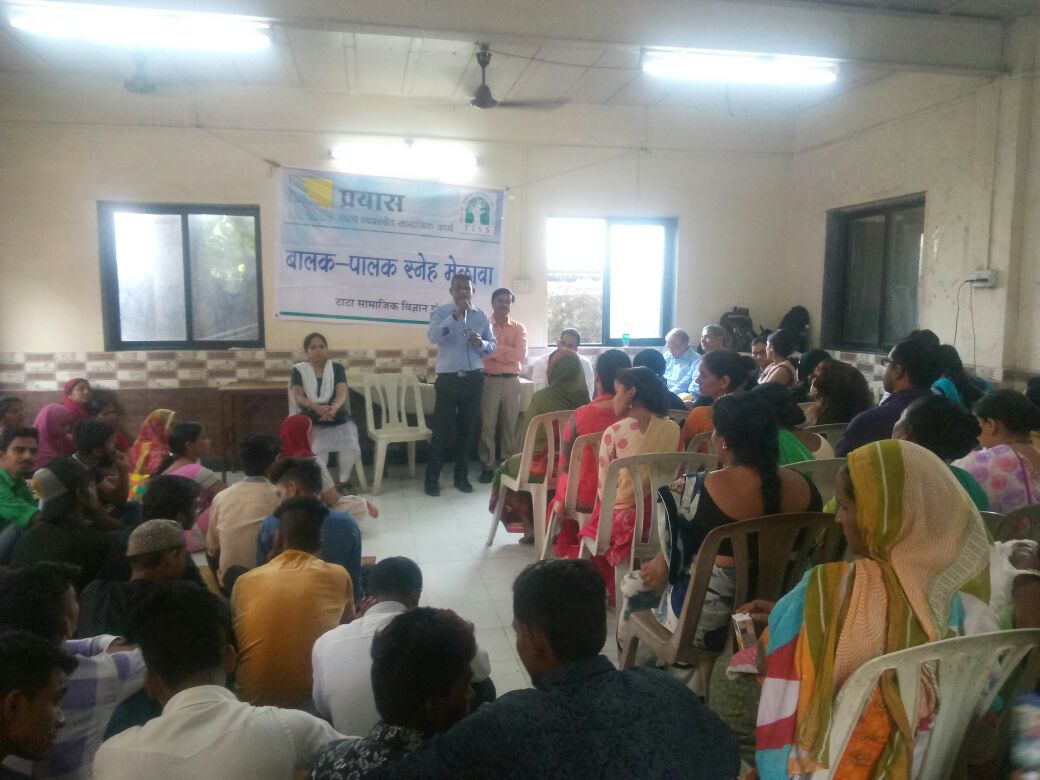
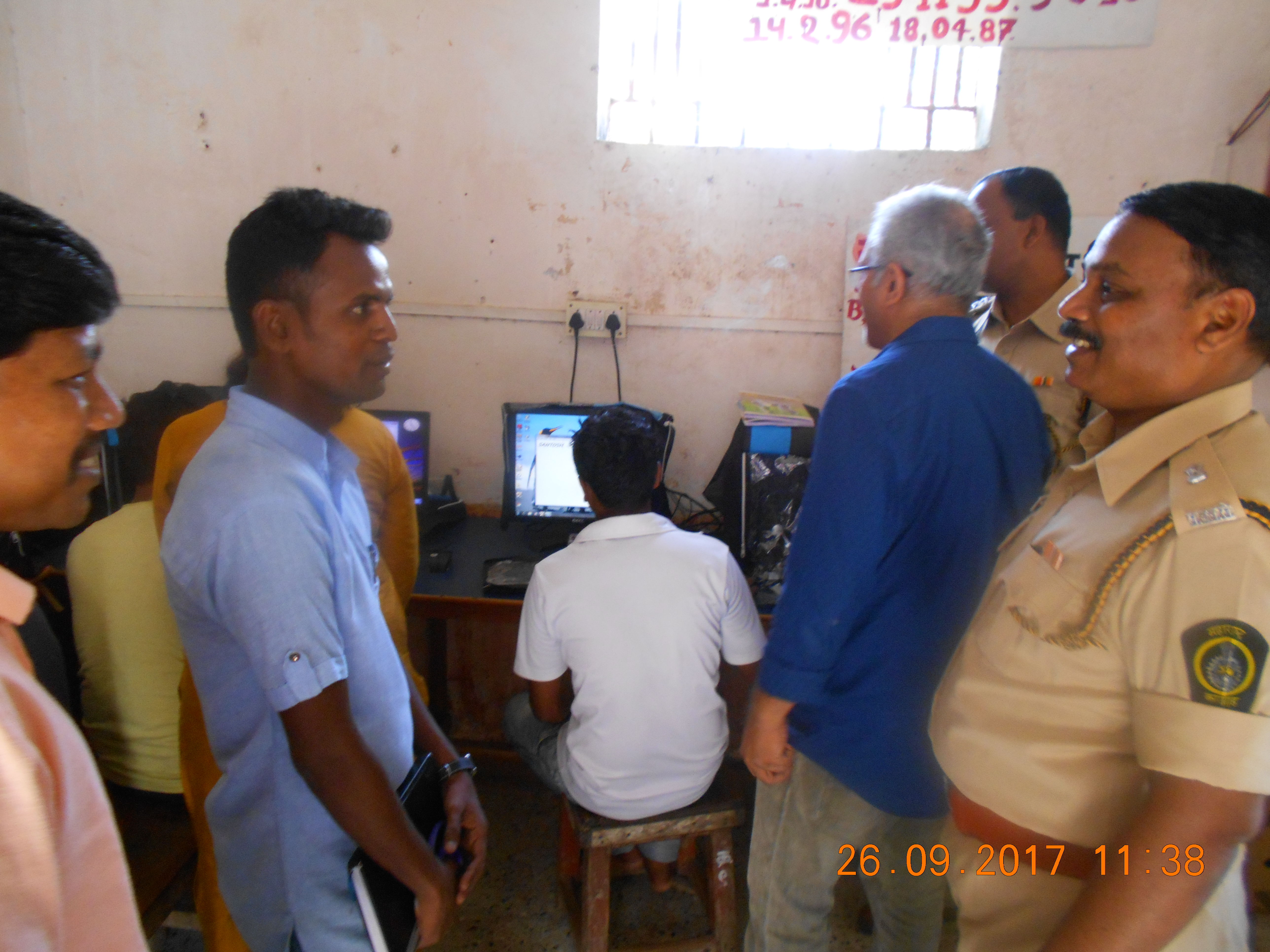
Prayas’s focus is on service delivery, networking, training, research and documentation, and policy change with respect to the custodial/institutional rights and rehabilitation of socio-economically vulnerable individuals and groups who come into direct contact with the Indian Criminal Justice System (CJS). To this end, permission to visit criminal justice or custodial institutions and interact with persons detained or confined in police stations, prisons and government residential institutions in Maharashtra and Gujarat has been obtained from the Departments of Prisons and Women and Child Development.
Vision
Assert and include into the broader welfare agenda, the rights of persons and groups affected by the criminal justice system towards their enhanced access to information, education, training, health, opportunities for livelihood and leading life in a safe and healthy environment; thereby channelizing significant human resource to contribute to a developing economy.
Mission
To enhance knowledge and influence policy and process of criminal justice and allied systems in India, with specific reference to custodialised and institutionalized individuals and groups who are socio-economically vulnerable, are excluded from mainstream public facilities and welfare, and those who are at greater risk of being criminalised, or exposed to trafficking for sexual exploitation.
Rationale
Persons are referred to penal/protective institutions as a consequence of detention/arrest for alleged commission or after conviction of an offence, unstable shelter and/or support systems, neglect, destitution, mental disturbance, or vulnerability to mental/physical/ sexual danger and exploitation. The status could be of an (alleged) offender, or one in distress requiring support.
Objectives
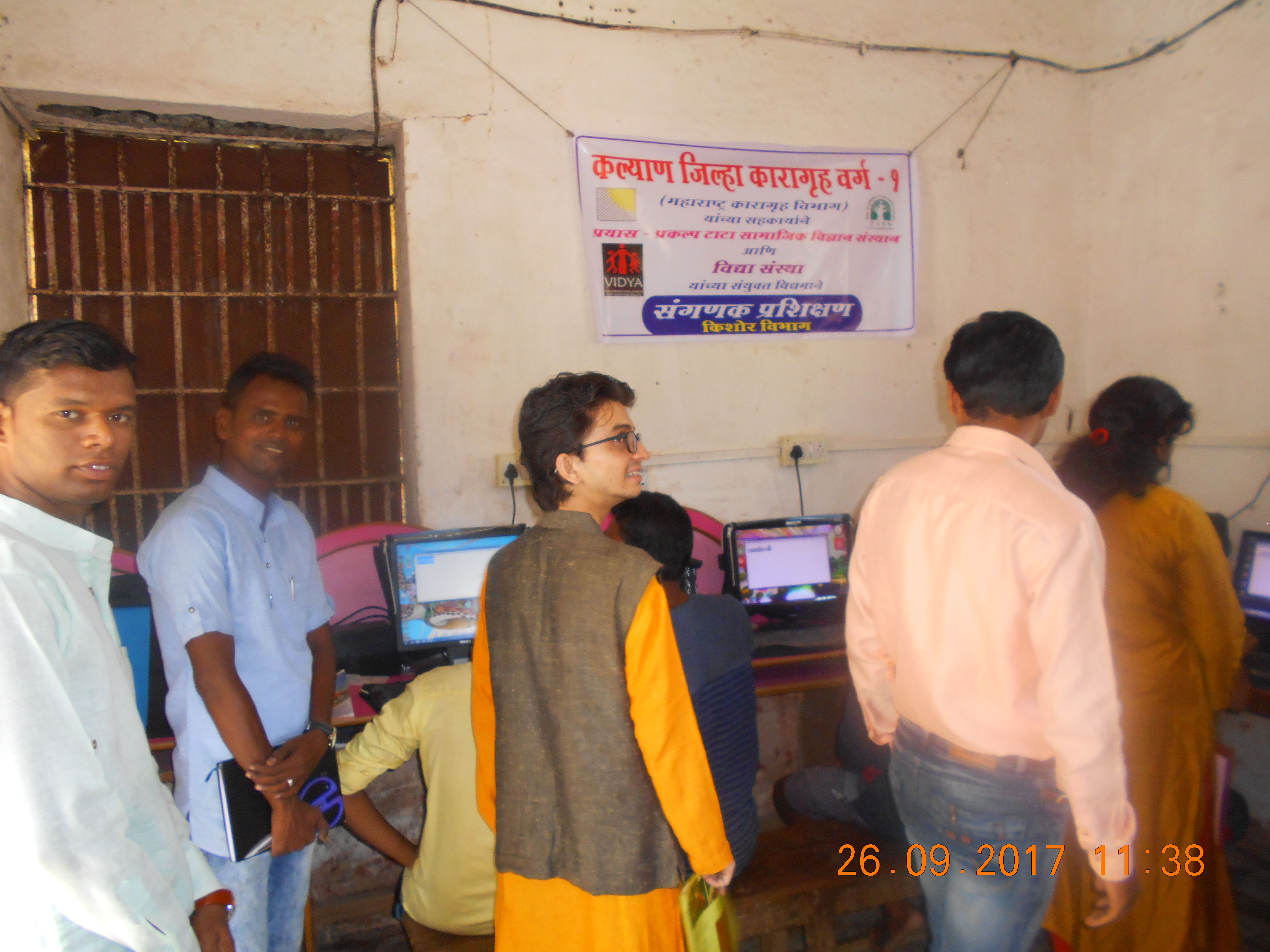
· To demonstrate the need for social work intervention in the criminal justice system such as police stations, prisons, courts and institutions for women.
· To work towards rehabilitation of persons coming out of, or vulnerable to crime, prostitution, or destitution.
· To improve access to legal rights of persons processed by the criminal justice system and to promote the use of correctional laws to aid rehabilitation of vulnerable groups.
· To identify issues relevant to rehabilitation and attempt to address them at policy level.
· To increase awareness in government and society about issues related to rehabilitation of persons affected by crime, commercial sexual exploitation or destitution.
· To generate knowledge in the field of social work, criminology and corrections through the analysis of field experience.
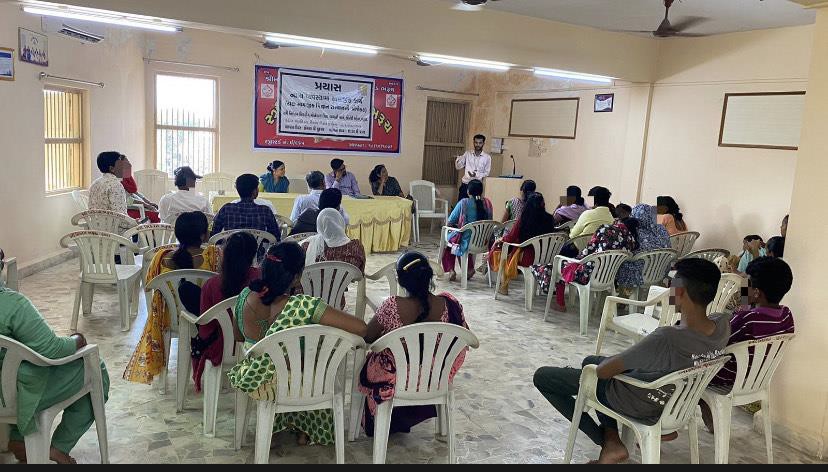
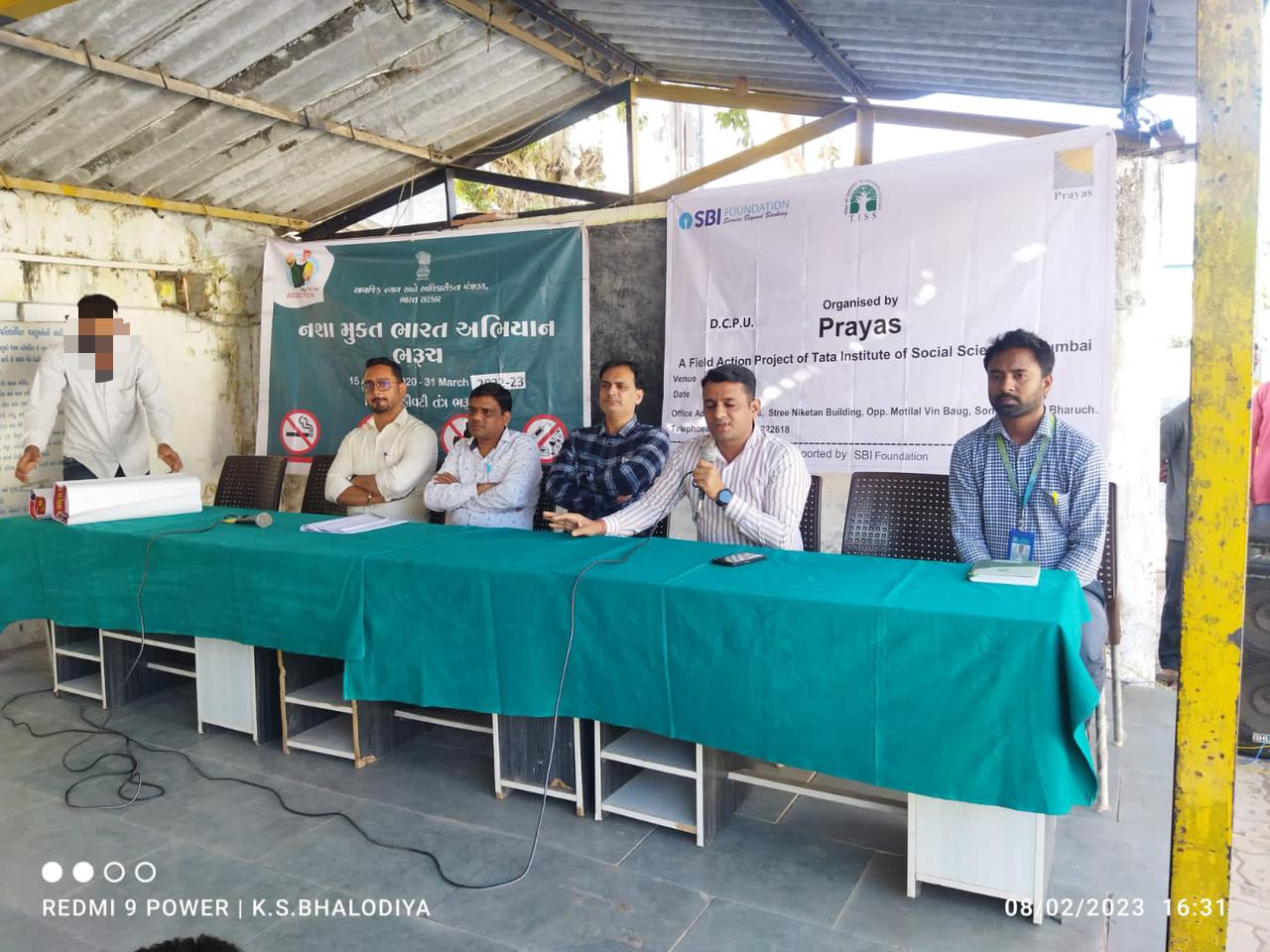
Geographical Coverage: Mumbai, Thane, Latur in Maharashtra State and Bharuch district in Gujarat State.
· Prisons
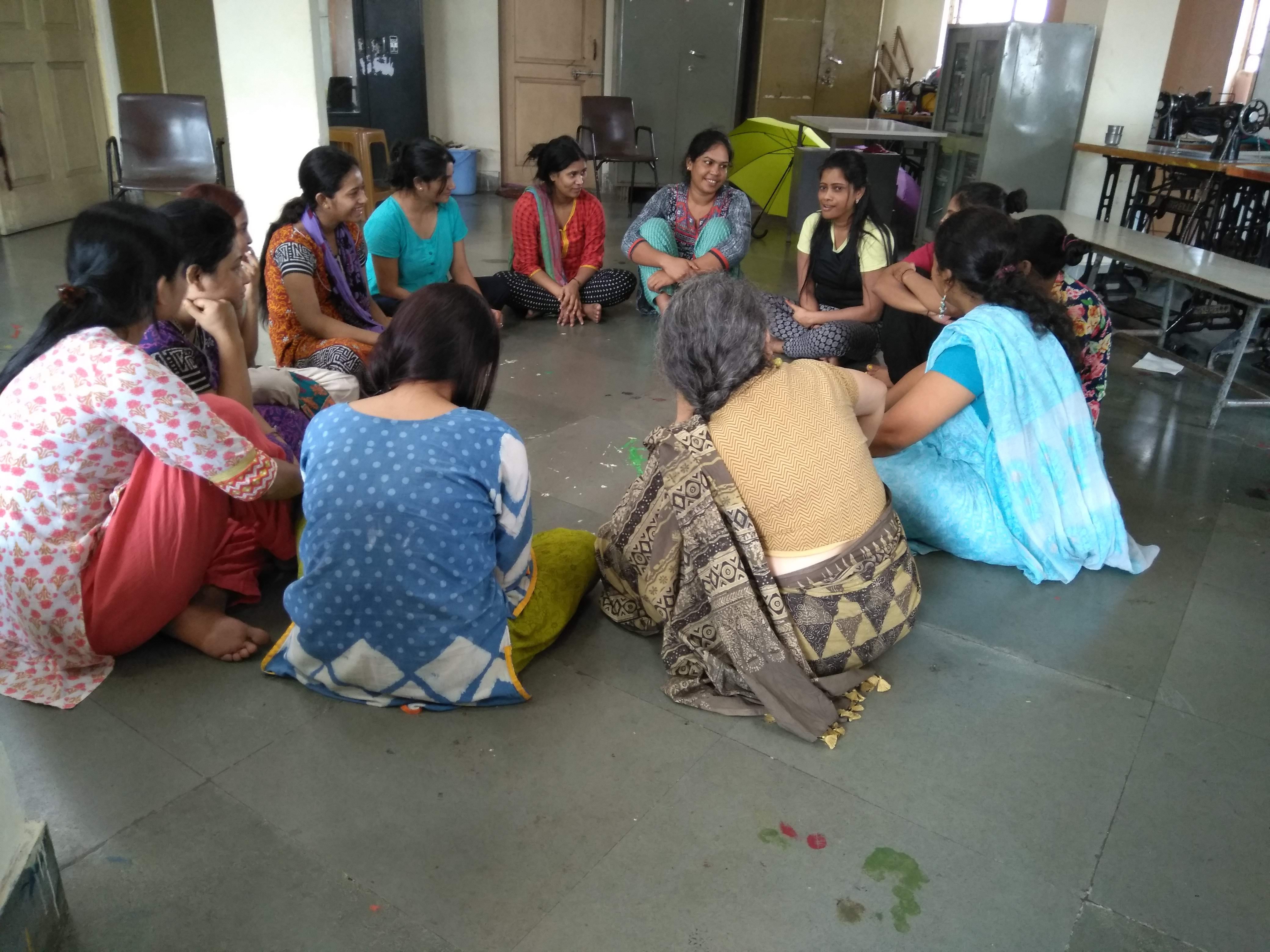
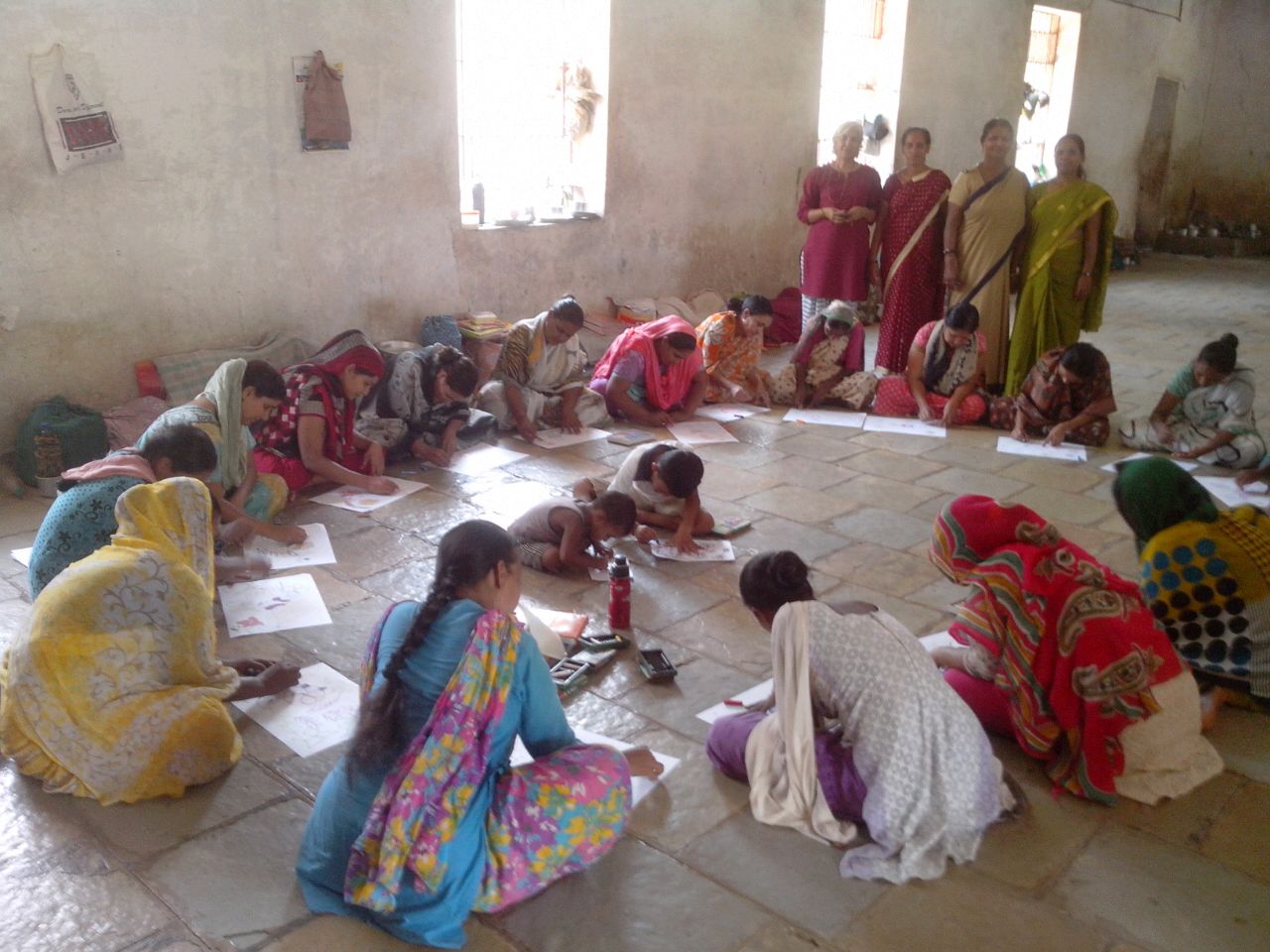
· Government Protective and Shelter homes for women
· Observation Home for Children, Mumbai
· Courts and Legal aid systems
Who Does Prayas Reach Out To?
· Women and youth under trial prisoners and those being processed by the criminal justice system, and their families (including children of women prisoners left outside, while the mothers are inside).
· Women and girls rescued by the police from prostitution.
· Destitute women and girls, especially those vulnerable to crime and/or commercial sexual exploitation.
· Juvenile in Conflict with Law at the Observation Home
· Women or youth referred by personnel within the criminal justice system, voluntary organisations, ex-beneficiaries of Prayas, or the general public.
Why does Prayas work with these groups?
· Persons drifting into exploitative situations have done so as a result of their past experiences and social circumstances.
· They have adopted alternative supportive structures and behaviors to counter life situations.
· Having been subjected to a series of exploitative situations, they may get drawn to behaviors that are destructive to self or others.
· Separation from the family and other cultural units has resulted in exclusion from mainstream society.
· They need support to prevent their further exclusion from society.
· Every person rehabilitated adds to a contributing member in the legal economy.
The Approach
To facilitate a process where a person shifts (away) from an environment conducive to crime or commercial...
UPCOMING UPDATES

No Upcoming Events
No Announcements
Prayas – a field action project of the Centre for Criminology and Justice,
School of Social Work
Tata Institute of Social Sciences
Prayas Contact Centers Addresses
Maharashtra
Prayas – a field action project of TISS
Youth Development Centre
Ground Floor, Building No. 90,
Sudarshan Co-operative Housing Society,
Babasaheb Ambedkar Nagar ...





































 2026 All Rights Reserved.